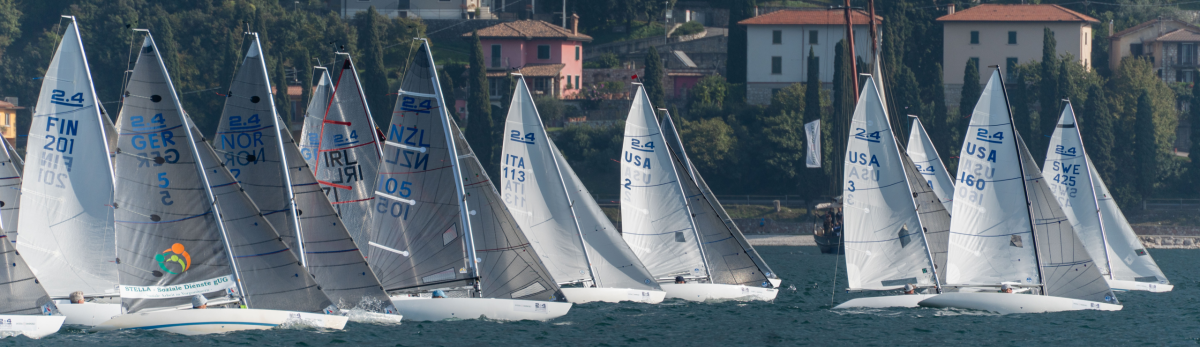
Finding the Perfect SingleHanded Challenge: My Two-Year Journey into the 2.4mR Class

Steve Gilbert 

Two years ago, I was a fiftysomething, sailor looking for my next chapter on the water. I wanted a boat that was technical, rewarding, and tactical—yet didn’t demand the raw physical punishment of a Laser, Moth, or other highagility singlehanded classes.

I found exactly what I was looking for in the 2.4 Meter.

What started as curiosity has grown into one of the most fulfilling sailing experiences of my life. Over the past two years, the 2.4mR has taught me more about racing, preparation, and seamanship than any boat I’ve sailed before.

A Boat That Rewards Skill, Not Size

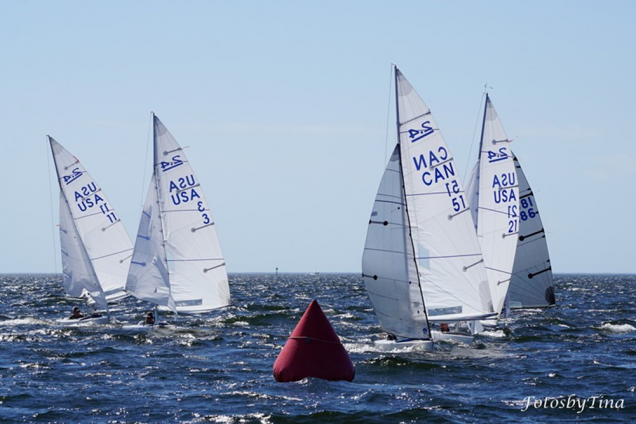
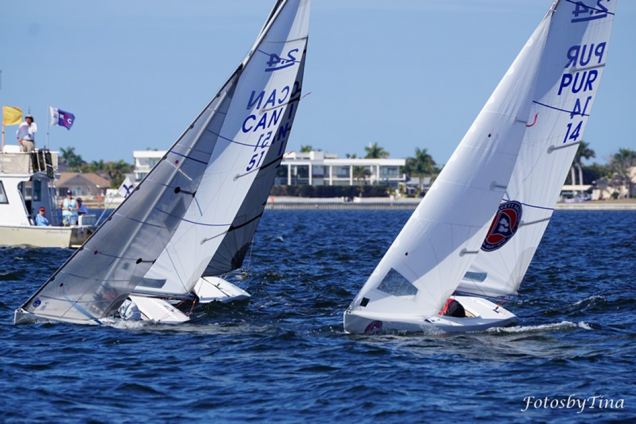
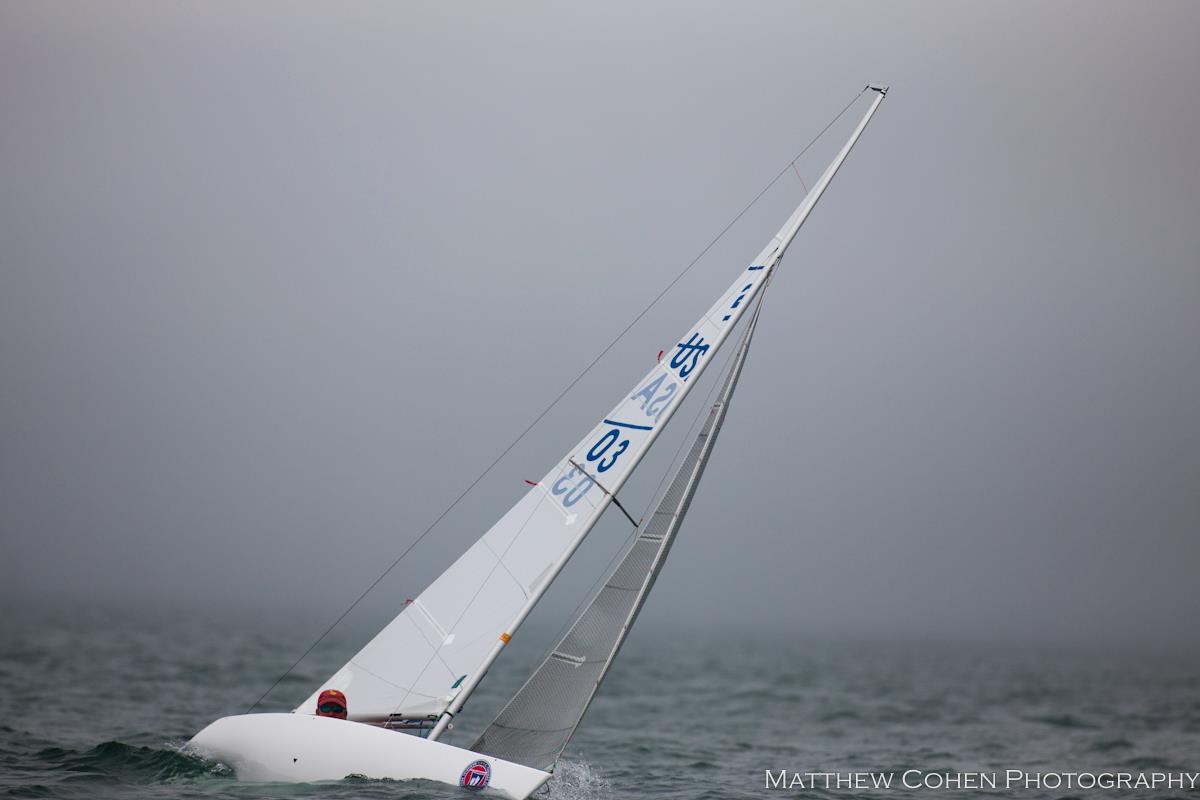
The 2.4mR is a unique craft. You sail it inside the hull drive it with your feet and have a wide range of well placed sail controls at your finger tips. The design eliminates the athletic advantage of body weight and hiking strength, placing full emphasis on:

  • Starting well and course management tactics
  • Rig tuning and setup
  • Sail shaping
  • Boat preparation
  • Reading shifts and pressure

This is a sailor’s boat—pure, technical, and incredibly satisfying to master. For me, it was refreshing to sail competitively without the physicality needed in sailing other single handed options.

Learning to Campaign Competitively

What surprised me most wasn’t just the boat, but how deep the learning curve is once you start racing seriously. Over these two years, I’ve gained a richer understanding of:

  • How subtle changes in rig tuning affect the boat’s balance and overall performance. 
  • How to achieve optimal sail shape for varying conditions
  • Racecourse strategies unique to a lowfreeboard, highly sensitive design
  • The importance of consistency and preparation across a multiregatta campaign

Campaigning a 2.4mR isn’t just about showing up—it’s about showing up prepared. That time preparing, thinking about and discussing changes with other competitors, making small personal updates to the cockpit, and ultimately learning where the speed comes from has been equally as exciting as the racing itself. 

A Class That Supports Its Sailors

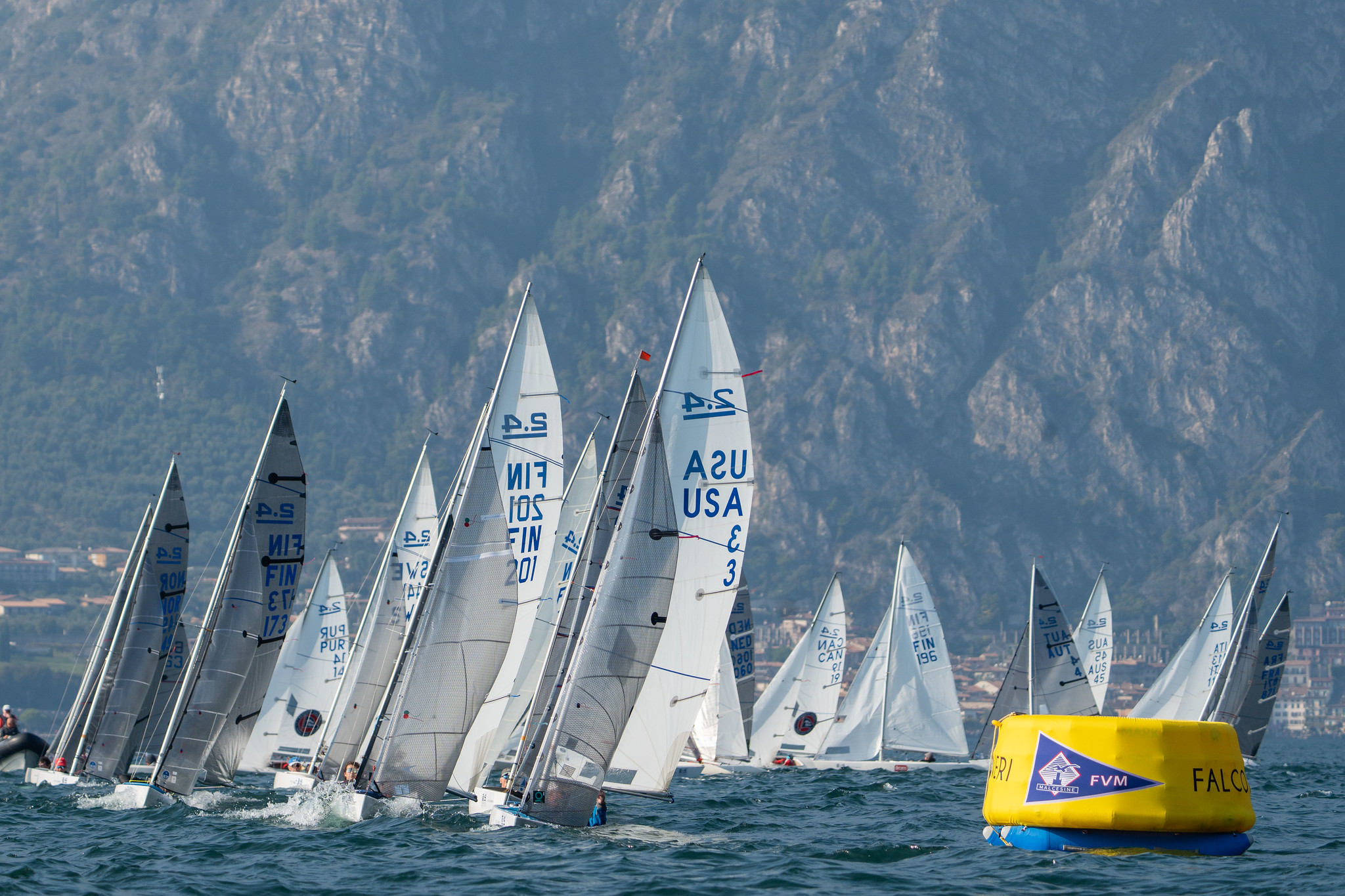
One of the greatest strengths of the 2.4mR class is the community. The class has thoughtfully organized regional regatta groupings, balancing travel demands and spreading events across the year in a way that supports both newcomers and seasoned competitors.

What truly differentiates this class is the culture:

  • Daily debriefs after racing
  • Top sailors openly sharing their knowledge
  • A welcoming, growthminded atmosphere
  • Support for sailors of all physical abilities

In many classes, you have to earn your way into the “inner circle” of knowledge. In the 2.4mR, people want you to get faster.

Practicality That Makes the Sport Accessible

Let’s talk logistics—because they matter. One of the underrated advantages of the 2.4mR is how easy it is to own and move:

  • You can tow one or even two boats with a standard SUV.
  • Some sailors even tow with midsized cars.
  • There’s good availability of both new and used competitive boats.
  • There are also entrylevel options for those testing the waters.

The class has built a model that lowers barriers to participation while still maintaining highlevel competition. For example in the latest Midwinters held in February in Port Charlotte Florida, I was, at 55 the youngest competitor in the fleet. This is truly a class for everyone.  Here is a video link from that regatta recap https://youtu.be/gxWnj1xtc8M?si=tanHhmL1AUMpnN_P

Why You Should Consider the 2.4mR

If you’re looking to stay in competitive sailing—or if you want a new, rewarding singlehanded challenge—I strongly recommend giving the 2.4 Meter a serious look.

  • It’s technical.
  • It’s tactical.
  • It’s welcoming.

And it levels the playing field in a way few single handed classes can match.

For me, discovering the 2.4mR wasn’t just finding a new boat—it was finding the right boat, at the right time, with the right community.

For more information about the 2.4mR please visit the Canadian or US Class websites at 

www.us24meter.org
www.canada24mr.com

Tony Pocklington: Building, Racing, and Growing the 2.4mR Fleet

Tony Pocklington’s love affair with the 2.4mR began in 2009 at the World Championship hosted by the Edison Sailing Center in Fort Myers, Florida. Though not yet a sailor in the class, Tony was deeply involved as a volunteer, running a mark boat and assisting with dock operations. His crane, purchased after the event, helped launch the docks, and his enthusiasm for the class was palpable. It was here, amidst the bustle of high-caliber sailors that Tony first sat in a 2.4mR. Sailing it around the harbor for just ten minutes, he was hooked. “I was like, damn, this is awesome” he recalls, struck by the boat’s responsiveness and technical precision. He tried to buy the molds only to learn they were already spoken for. This moment planted a seed, setting Tony on a path he never anticipated.

2012–2013: Diving In as a Builder

Undeterred by his initial setback, Tony’s determination led him to acquire the 2.4mR molds in 2012 from North American Sailing Center, who had taken over production. By 2013, he began building boats at his boat yard in Florida. Tony embraced the challenge, refining the epoxy process he inherited from North American Sailing Center to create lighter, stronger boats. He built six boats between 2013 and 2016 making minor tweaks to the NASC process, driven by his belief in the boat’s potential. His goal was to provide high quality, affordable product to the North American market to boost class participation. Once the product had passed judgement, the intent was to pass the project off to an established builder looking to add to their product line. But building wasn’t just a technical endeavor; it was a crash course in the class dynamics…

2013–2016: Learning to Race and Looking for his Groove

Tony’s first 2.4mR race wasn’t until later. Having not raced since age 14, except occasionally as crew on larger boats, there was much to learn. He won his first race in Edge Hull # 1 and thought-maybe this isn’t so hard. Then came the learning curve. The 2.4mR’s technical demands—where every adjustment falls to the solo sailor—requires time in the boat to understand. Early races were humbling. Later races continue to be humbling.

Tony’s breakthrough came when he stopped chasing setups. “The most important thing I did was settle in on Quantum sails, SuperSpar mast, and one set up,” he says. By focusing on the feel of the boat he began to improve consistency in results and enjoy the competition. Success in the 2.4mR isn’t about set up and gear; it’s about mastering small adjustments and staying focused on speed and direction.

2014–2020: Leading the US Class Through Turbulent Times

In 2014, Tony stepped into the role of U.S. 2.4mR Class President, a position he held longer than anticipated. The class was in flux, grappling with the loss of keelboat events in the Paralympics, dwindling international funding, and internal disputes among strong personalities. Tony’s ability to stay calm amid conflict made him a stabilizing force.

His leadership focused on centralizing efforts and securing venues, like Charlotte Harbor Yacht Club, which had built accessible docks for the 2012 Para Worlds. Tony’s crane and organizational skills were instrumental, but the role came with burdens. The 2019 World Championship in Italy brought a blindsiding vote to drop support for the 2.4mR one-design class, deflating Tony’s optimism after a strong pre-COVID push in Charlotte Harbor. Class issues and ongoing debates about one-design compliance further tested his resolve. Despite these challenges, Tony’s tenure laid groundwork for the class’s current stability, with improved paperwork and World Sailing alignment.

2020–Present: Back to Sailing, With Eyes on Growth

Since stepping down as president in 2023, Tony has relished returning to his roots as a sailor. Now a technical advisor, he’s free to focus on racing and mentoring newcomers. His recent regattas showcase his progress by being able to step into any boat and know how it needs to feel to be fast.

Tony’s long-term goal is simple yet ambitious: to see a fleet of 2.4mRs racing weekly at a club like Charlotte Harbor. He dreams of accessible venues and local fleets that reduce travel demands, allowing sailors to compete and have fun without the need to cross continents or oceans. The international camaraderie—friends in different countries, shared dinners after races—remains the highpoint. “I wouldn’t have found such diverse friendships without the 2.4mr class,” he reflects.

Advice for New Sailors

Tony’s advice to those entering the 2.4mR class is rooted in his hard-won lessons:

  • Find the Feel: Learn how your boat feels when it’s fast and locked in. Avoid constant setup changes; consistency breeds confidence.

  • Embrace the Learning Curve: Expect mistakes, from fouling at marks to missing shifts. Each race teaches you something.

  • Focus on Growth: Support venues and local fleets to make the class accessible. The 2.4mR thrives when more sailors join the line.

  • Enjoy the Community: The class’s mix of disabled and able-bodied sailors, from novices to world champions, creates a unique bond. Cherish the friendships forged on and off the water.

Looking Ahead

Tony Pocklington’s journey with the 2.4mR class is a testament to the boat’s ability to captivate and challenge. From a 10-minute sail in 2009 to building boats, leading the class, and now chasing podiums, he’s found a home in a class that rewards dedication and fosters connection. As he looks forward to racing at Worlds and North Americans, Tony remains a passionate advocate for growth, urging the class to secure venues and inspire sailors to discover the joy of the 2.4mR. His story is a reminder that in this class, the boat is only half the equation; the people make it unforgettable.